Why Your Next Software Upgrade Will Fail (And How to Fix It)
The hidden change management challenge lurking in every technical project.
Mohi Jargboh-Sillah
9/28/20252 min read
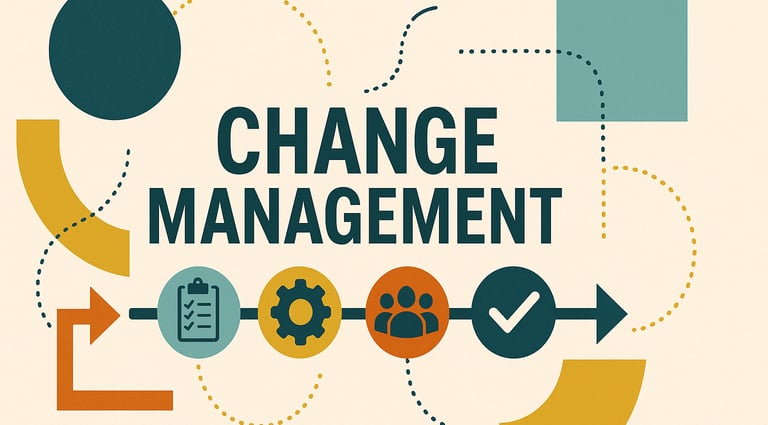
Here’s a truth that often surprises people: most technology initiatives fail not because of the code, but because of adoption. Studies show that up to 70% of upgrades and change initiatives fall short; not due to bugs or system flaws, but because people never fully embrace the change.
I learned this firsthand during what was supposed to be a routine Quality Management System (QMS) upgrade.
The "Simple" Change That Wasn't
Our task looked straightforward: switch from a first-in, first-out approval process to parallel approvals. Multiple people could now approve work simultaneously instead of waiting in line.
Technical complexity? Low. Impact on daily workflows? Massive.
Suddenly, everyone needed to rethink how they approached their work. What seemed like a minor system tweak became a fundamental shift in how our entire organization operated.
The Temptation to Skip the "Soft Stuff"
With a lean team juggling multiple projects, the question of whether we needed new procedures, training, or communication plans for such a "small" change.
"It's just a software update," they said. "People will figure it out."
This thinking is exactly why most upgrades fail.
Why Change Management Isn't Optional
Even small technical changes create big human challenges:
Without clear procedures, people make assumptions. Assumptions lead to errors. Errors lead to frustration and resistance.
Without training, adoption is slow and inconsistent. Teams waste time figuring out what should be straightforward.
Without communication, people don't understand why changes matter. Resistance grows, and the upgrade becomes "that system nobody wants to use."
What We Did Instead
We invested in three critical areas:
Documentation - Created clear SOPs and FAQs
Education - Developed structured training programs
Communication - Maintained transparent dialogue throughout
Did this extend our timeline? Yes. Did it ensure success? Absolutely.
The Results Speak for Themselves
While our project ran longer than initially planned, the outcomes were worth it:
Smooth user adoption with minimal resistance
High team confidence and engagement
Parallel workflows seamlessly integrated into daily operations
Without this investment, we would have joined the 70% of failed change initiatives.
The Real Lesson
This project was never labeled "change management." It was budgeted and executed as a software upgrade. But its success depended entirely on managing the human side of change.
The bottom line: Technology doesn't implement itself. People do.
Every software upgrade is really two projects: the technical implementation and the human adaptation. Master both, or risk joining the majority of initiatives that deliver working technology nobody actually uses.
Your next upgrade doesn't have to fail. Recognize that change management isn't an optional add-on; it's the foundation that determines whether your technology investment becomes a success story or an expensive lesson in what not to do.
Ready to improve your next upgrade's odds? Start with the assumption that people matter as much as pixels, and plan accordingly.
With experience at the intersection of IT operations, compliance, and user-centered support, we have seen how thoughtful service strategies can reduce friction and accelerate outcomes; especially in high-stakes environments like life sciences and higher education. It’s always rewarding to partner with teams committed to improving workflows, modernizing systems, and delivering real value to their end users.