IT Service, Operations, and Support in the Life Sciences Sector
Resilience in life sciences IT means balancing compliance and innovation. The most forward-looking organizations retain the rigor of validated systems while accelerating transformation through modern tech.
9/2/20252 min read
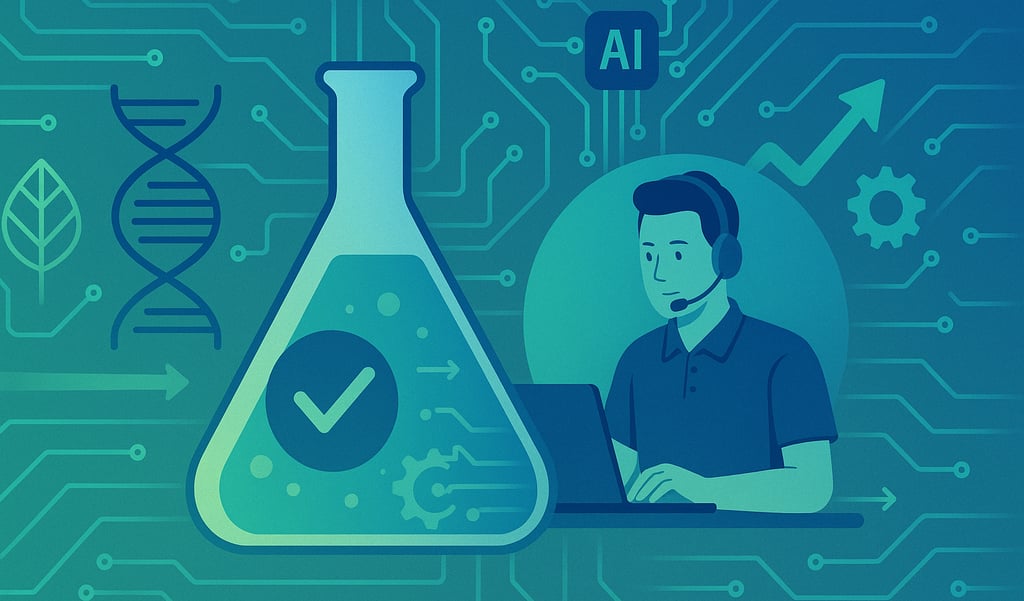
Editor’s Note — A Continuation from July 23’s Discussion
In our July 23 post, “IT Service, Operations, and Support in Life Sciences: Where Tradition Fuels Transformation”, we explored how legacy frameworks like ITIL and GAMP underpin modern IT innovation. This week, we build on that foundation with updated insights, highlighting how pharma, biotech, and life sciences IT teams are evolving in today’s AI-driven, compliance-first climate.
Introduction
In the pharmaceutical, biotechnology, and broader life sciences sectors, IT service and support are strategic imperatives, not just back-end operations. From safeguarding data integrity and enabling R&D workflows to ensuring patient safety, robust IT systems support both innovation and industry-wide compliance.
Historical Foundation
Frameworks such as ITIL and GAMP have long fueled operational rigor through structured change control, documentation, and audit traceability. These legacy methodologies helped life sciences organizations meet regulatory standards like GxP, embedded governance into daily operations, and established the discipline necessary for today’s digital environments.
Current Best Practices
Leading IT teams now execute service requests, incident management, and change control via standardized SOPs. Governance boards including IT Security, Quality, and Regulatory Affairs ensure every system update is compliant and approved. Performance is managed with key metrics; SLAs, MTTR, and customer satisfaction, feeding into continuous improvement loops aimed at both compliance and agility.
A real-world incident illustrates this well: A 2:00 AM manufacturing outage halted packaging operations, threatening over $23,000 in hourly losses and delaying critical drug shipments. The outage was traced to a siloed, undocumented database outside IT governance. I was called in, tracked the issue, restored functionality, and led an infrastructure overhaul to increase transparency and resilience—turning a crisis into a catalyst for operational modernization.
Emerging Trends & Future-Forward Outlook
Today’s innovators are integrating AI-enabled service desks, predictive maintenance, and strategic digital transformation roadmaps. These technologies automate high-volume support, preempt equipment failures, and reinforce IT as a strategic business enabler. Industry leaders like Roche, Pfizer, and Moderna continue embedding validation and compliance into technology deployments, ensuring agility doesn’t come at the cost of regulatory trust.
Conclusion & Call-to-Action
Resilience in life sciences IT means balancing compliance and innovation. The most forward-looking organizations retain the rigor of validated systems while accelerating transformation through modern tech.
With experience at the intersection of IT operations, compliance, and user-centered support, we have seen how thoughtful service strategies can reduce friction and accelerate outcomes; especially in high-stakes environments like life sciences and higher education. It’s always rewarding to partner with teams committed to improving workflows, modernizing systems, and delivering real value to their end users.