Managing Peripheral Device Inventory in Life Sciences: A Proactive Approach
Introduction to Peripheral Devices in Life Sciences In the fast-paced, highly regulated environment of Life Sciences—spanning pharmaceuticals, biotechnology, medical devices, and clinical research—even minor technology disruptions can have significant consequences. Laboratory workflows, research timelines, and regulatory compliance depend heavily on reliable IT systems. Yet, something as simple as a malfunctioning keyboard, missing adapter, or faulty external drive can quickly escalate into productivity loss and compliance concerns. The solution? A proactive approach to managing peripheral device inventory.
Mohi Jargboh-Sillah
4/13/20253 min read
The Importance of Peripheral Inventory in Life Sciences
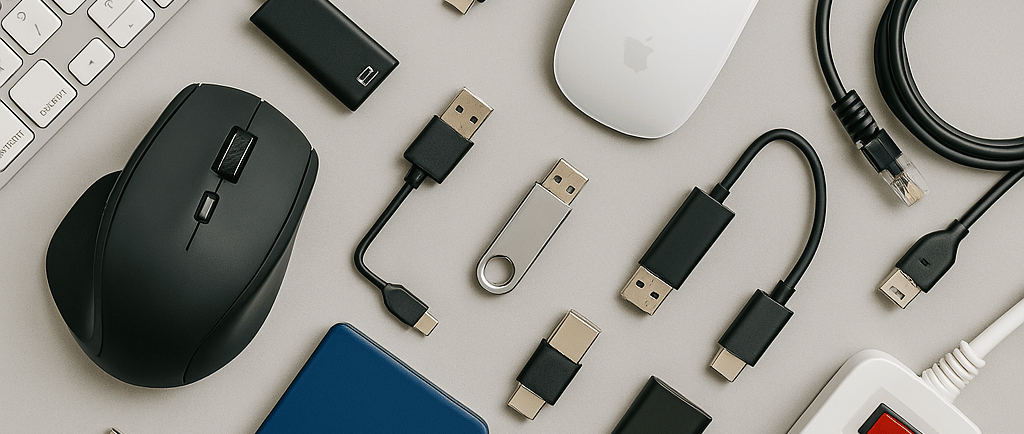
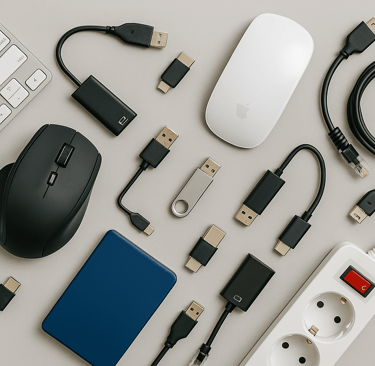
Peripheral devices—such as keyboards, mice, external storage drives, adapters, and connectivity tools—are essential for day-to-day operations in labs, clinical settings, and manufacturing facilities. When these devices fail unexpectedly, they can disrupt critical research, slow down clinical trials, or even delay regulatory submissions.
Unlike traditional reactive approaches, proactive inventory management ensures that these essential devices are immediately available, minimizing disruption and helping maintain regulatory compliance.
Critical Peripheral Devices for Life Sciences Organizations
An optimized inventory for Life Sciences should include devices that directly support operational continuity and compliance:
1. Input Devices
Wired and wireless keyboards and mice suitable for cleanroom environments
Ergonomic mice and keyboards to maintain researcher comfort and productivity
Stylus pens for tablet-driven laboratory systems or electronic laboratory notebooks (ELNs)
2. Display and Video Solutions
USB-C to HDMI adapters for presentations and lab instrument connections
DisplayPort cables for high-resolution monitors in imaging or diagnostics
External monitors critical for immediate workstation setup or multi-display workflows
3. Networking Essentials
USB-to-Ethernet adapters for secure, reliable data transmission
High-quality network patch cables (Cat6) essential for lab equipment integration
Secure mobile Wi-Fi hotspots for regulated remote work or clinical site monitoring
4. Audio and Communication
Noise-canceling USB headsets with microphones for virtual meetings or clinical consultations
3.5mm audio adapters to ensure compatibility across laboratory and office equipment
5. Power and Charging Equipment
Universal laptop chargers crucial for mobile researchers or auditors
Medical-grade USB power adapters suitable for sensitive laboratory environments
Surge protectors and power conditioners for protecting sensitive instruments and data
6. Data Storage and Media
Encrypted external USB hard drives compliant with data integrity standards
Portable SSD drives to quickly transfer large datasets securely
USB flash drives pre-approved for data exchanges within regulated environments
7. Docking Stations and Expansion
USB-C docking stations for flexible, compliant workstation setups
Multi-port USB hubs designed for regulated data environments
8. Maintenance and Cleaning
Laboratory-approved screen cleaning kits compliant with sterile environments
Air dusters designed for sensitive lab equipment
Keyboard covers meeting lab hygiene standards
Benefits for Life Sciences Organizations
Reduced Downtime
Immediate availability of compliant, certified peripherals means uninterrupted workflows, minimizing disruptions to critical research or clinical activities.
Improved Compliance and User Satisfaction
Quickly resolving hardware issues maintains compliance with industry regulations and improves researcher and clinician satisfaction.
Operational Efficiency
Eliminating individual peripheral purchases and the associated administrative burdens allows IT teams to focus on supporting strategic initiatives, compliance audits, and other high-value tasks.
Cost Management
Bulk procurement typically offers financial advantages, including lower unit costs and reduced emergency purchasing, leading to better budget management.
Implementation Steps Tailored to Life Sciences
Needs Assessment Evaluate past peripheral usage data and prioritize inventory items critical for maintaining compliance and continuous operations.
Categorize and Prioritize Identify high-priority devices based on frequency of use and their critical impact on research, clinical, or regulatory activities.
Inventory Management System Deploy validated inventory software compliant with 21 CFR Part 11 and other industry regulations to monitor, track, and automate replenishment.
Routine Audits Schedule regular inventory audits as part of your organization's quality management system (QMS) to adjust inventory proactively and document compliance.
Supplier Partnerships Establish relationships with reliable suppliers who understand the Life Sciences industry's regulatory demands and ensure timely restocking.
Financial Planning for IT
Initial Inventory Investment: Approximately $1,000–$2,000, factoring in higher-quality, compliance-grade peripherals.
Quarterly Restocking Costs: Around $500–$1,000, adjusted based on actual usage and compliance requirements.
Conclusion
In Life Sciences, IT support plays a critical role in maintaining productivity, ensuring compliance, and supporting innovation. Implementing proactive peripheral inventory management ensures that your team is always ready to respond swiftly and effectively, minimizing downtime and enhancing user satisfaction.
By strategically anticipating peripheral needs, Life Sciences organizations can improve operational efficiency, reduce compliance risks, and remain agile in a dynamic, regulatory-driven landscape.
With experience at the intersection of IT operations, compliance, and user-centered support, we have seen how thoughtful service strategies can reduce friction and accelerate outcomes—especially in high-stakes environments like life sciences and higher education. It’s always rewarding to partner with teams committed to improving workflows, modernizing systems, and delivering real value to their end users.